Manuel Saumell
El padre de la contradanza cubana — Manuel Saumell compuso las contradanzas que establecieron la primera identidad musical netamente nacional de Cuba, mezclando la música de salón europea con la influencia rítmica afrocubana.
Sobre él
Saumell fue un pianista y compositor nacido en La Habana que creó más de 50 contradanzas — piezas para piano que tradujeron la forma de la contradanza a un idioma inequívocamente cubano. Donde la contradanza había sido importada de Europa (vía Haití y Saint-Domingue), las composiciones de Saumell incorporaron el ritmo de la habanera y el sentimiento melódico afrocubano de maneras que hicieron la forma genuinamente cubana.
Su obra es considerada la base tanto de la música clásica como de la popular cubana — la primera síntesis de la música formal europea con la influencia rítmica africana que continuaría a través del danzón, el son y todos los géneros cubanos posteriores.
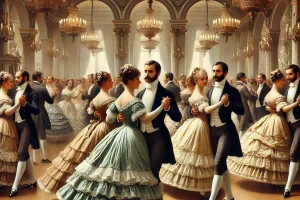
La contradanza fue la primera forma de danza de origen europeo que echó raíces en Cuba y comenzó a transformarse bajo la influencia africana. Es el punto de partida del linaje del baile de salón cubano que eventualmente produciría el danzón, el mambo y el cha-cha-chá.
Lees meer >
La contradanza fue la primera forma de danza de origen europeo que echó raíces en Cuba y comenzó a transformarse bajo la influencia africana. Es el punto de partida del linaje del baile de salón cubano que eventualmente produciría el danzón, el mambo y el cha-cha-chá.
Lees meer >El danzón fue el primer baile nacional de Cuba — la forma que unificó la identidad de la música popular cubana a finales del siglo XIX y principios del XX, y el antepasado del mambo, el cha-cha-chá y, en última instancia, la timba.
Lees meer > Cuba is the largest island in the Caribbean and the birthplace of some of the world's most influential music and dance traditions. African, Spanish, and French cultural streams collided here over centuries of colonial history, producing an extraordinary creative culture that exported itself across the globe.
Lees meer >El piano es el corazón armónico y rítmico de la música popular cubana. En la timba, es uno de los instrumentos más exigentes y expresivos del conjunto.
Lees meer >