Arcaño y sus Maravillas
Arcaño y sus Maravillas fue la charanga históricamente más significativa de finales de los años 30 y los años 40 — el conjunto que, a través de las innovaciones de los hermanos López, creó el danzón de nuevo ritmo y sentó las bases directas del mambo.
Sobre el conjunto
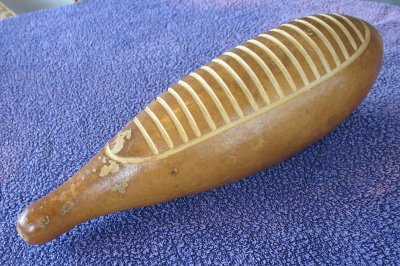
Antonio Arcaño formó su orquesta de charanga en La Habana hacia 1937, y en pocos años se había convertido en el conjunto más importante de la música popular cubana de baile. El formato de la charanga — flauta, violines, piano, bajo, timbales, güiro — estaba bien establecido, pero Arcaño reunió un grupo excepcional de músicos y les dio libertad para experimentar.
Las figuras cruciales fueron los hermanos López: Orestes López en el chelo y como compositor, y su hermano menor Israel "Cachao" López en el bajo. Orestes era la mente armónica y compositiva; Cachao desarrollaba técnicas de bajo — el enfoque de la descarga, el bajo caminante rítmicamente propulsivo que más tarde definiría el mambo y el jazz cubano — que no tenían precedente en la música popular cubana.
En 1938, Orestes López compuso una pieza llamada "Mambo". La composición añadió una sección final a la estructura estándar del danzón — un pasaje más suelto y rítmicamente impulsado que invitaba a la improvisación y a un baile más enérgico. Arcaño llamó a esta nueva forma el "danzón de nuevo ritmo". El término "mambo" se usaba específicamente para esta sección final improvisatoria.
Esta innovación fue el antecedente directo de lo que Pérez Prado empaquetó más tarde como mambo para el público internacional a finales de los años 40 y en los 50. Prado tomó la energía rítmica del danzón de nuevo ritmo, eliminó gran parte de la elegancia de la charanga, añadió una sección de metales de big band y creó el género del mambo internacionalmente famoso. Pero el desarrollo original ocurrió en el conjunto de Arcaño.
El bajo de Cachao con Arcaño y sus Maravillas también estableció técnicas que se convirtieron en fundamentales para la música popular cubana: los tumbaos, la interacción rítmica con la conga y el piano, la manera en que el bajo funciona como ancla armónica y voz rítmica al mismo tiempo. Su trabajo posterior — en particular las descargas (sesiones de jam cubanas) que organizó en los años 50 — se construyó directamente sobre lo que había desarrollado con Arcaño.
La banda estuvo activa durante los años 40 y parte de los 50, declinando gradualmente a medida que el mambo y luego el cha-cha-chá desplazaron la dominancia del danzón en las pistas de baile habaneras. Sus grabaciones del período 1938–1950 siguen siendo documentos esenciales de la transición de la música cubana desde el elegante baile de salón del siglo XIX hacia la música de baile internacional del siglo XX.
Grabaciones clave
- "Mambo" (1938) — compuesto por Orestes López, el primer mambo
- "Rareza del Siglo"
- Grabaciones en el sello Panart, finales de los años 40